Understanding the Importance of Pool Enclosure
Creating the perfect outdoor oasis involves more than just a beautiful pool; it requires smart decisions that enhance your overall swimming experience. A critical aspect of this decision is the Pool Enclosure, which serves multiple purposes. These structures are designed not only to provide safety but also to enhance your pool's aesthetics and functionality. Understanding the benefits of pool enclosures can significantly impact your outdoor environment.
What is a Pool Enclosure?
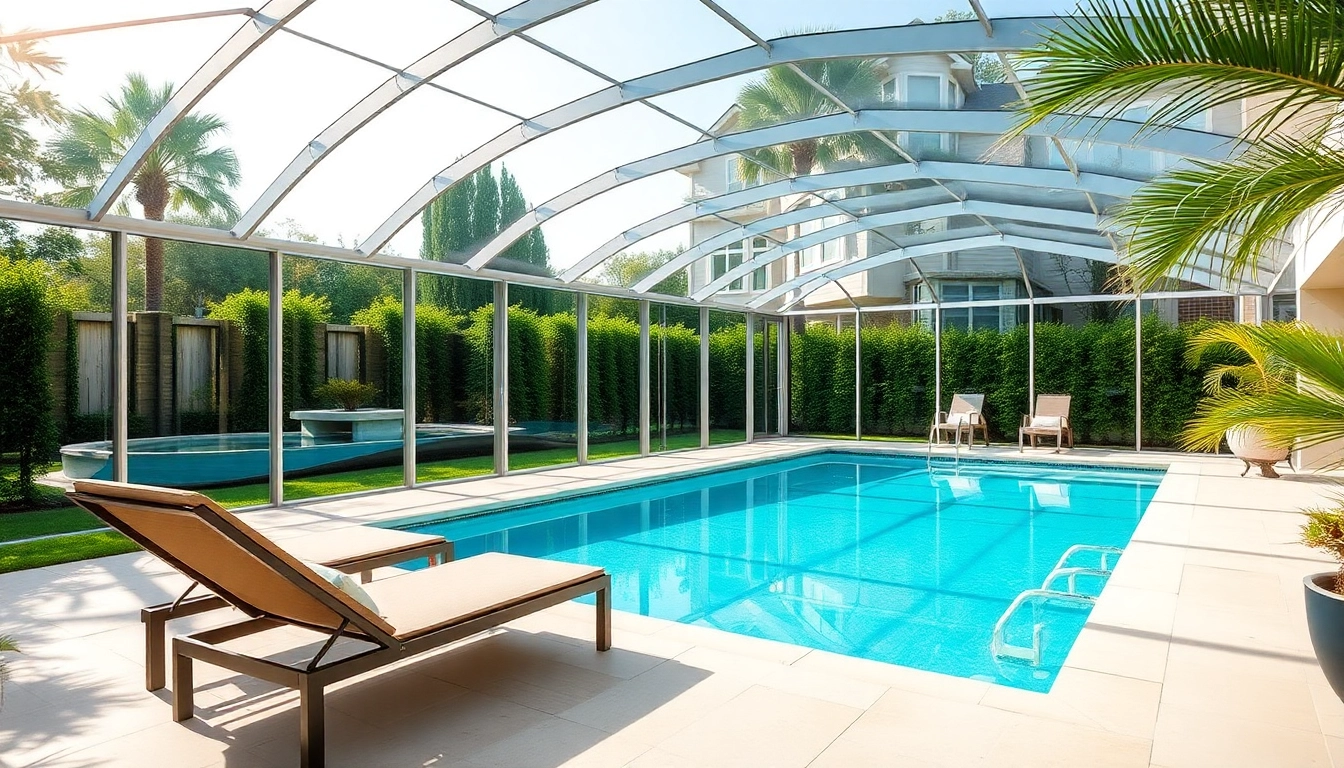
A pool enclosure is a protective structure surrounding a swimming pool, serving various functions such as safety, maintenance, and comfort. These enclosures come in various forms, including glass, mesh, and screen materials, catering to diverse needs and preferences. They function as barriers against debris, undesirable weather conditions, and provide enhanced security for children and pets.
Key Benefits of Using a Pool Enclosure
- Extended Swimming Season: By regulating temperature and preventing heat loss, pool enclosures allow homeowners to enjoy their pools even in cooler months.
- Reduced Maintenance: Fewer leaves and debris mean less cleaning and upkeep. Enclosures keep the pool cleaner for longer periods.
- Enhanced Safety: Enclosures create an obstacle for children and pets, ensuring a safer environment around pools.
- Energy Efficiency: Many enclosures are designed to trap heat, reducing heating costs significantly.
- Improved Aesthetic Appeal: Designed with various materials and styles, pool enclosures can enhance the overall look of your outdoor space.
Environmental Impact of Pool Enclosures
Pool enclosures play an essential role in reducing environmental impacts. By keeping debris out of the water, they minimize the need for chemical treatments, which can be harmful to both aquatic life and the environment. Additionally, the energy savings garnered from heated enclosures can lessen your carbon footprint, making it a sustainable investment for your home and the planet.
Types of Pool Enclosures
Permanent vs. Retractable Pool Enclosure
When considering a pool enclosure, one of the first decisions is whether to choose a permanent or retractable option. Permanent enclosures typically provide a solid structure, offering year-round use and increased protection. They are ideal for those who want a stable solution in various weather conditions.
On the other hand, retractable enclosures offer flexibility. They can be opened or closed based on weather and personal preferences, offering a balance between exposure to natural light and protection from the elements. This option is suitable for those who enjoy varying experiences based on the season.
Material Options for Pool Enclosures
The materials used in pool enclosures can significantly affect their functionality and longevity. Common materials include:
- Glass: Provides a modern look and unobstructed views while maintaining safety and strength.
- Screen: Offers excellent ventilation and visibility, ideal for warmer climates.
- Polycarbonate: Lightweight and durable, this material effectively retains heat while allowing sunlight to filter through.
Choosing the right material depends on personal aesthetic preferences, climate considerations, and specific functional needs.
Choosing the Right Style for Your Home
The style of your pool enclosure should harmonize with your home’s architecture and landscaping. Consider various styles such as traditional, modern, or even a rustic look that reflects your tastes. It's essential to consult with a design professional who can help integrate the enclosure seamlessly into your existing outdoor space, enhancing both utility and curb appeal.
Cost Considerations for Pool Enclosure
Average Costs of Pool Enclosure
The costs for pool enclosures vary widely based on material, size, and complexity. Typically, a pool screen enclosure might cost between $4,000 to $14,000, while high-end options made of glass or polycarbonate can range from $10,000 to $50,000. Understanding these costs upfront can help you budget effectively for your project.
Factors Affecting Pool Enclosure Prices
Several factors can impact the overall cost of a pool enclosure. These include:
- Size: Larger pools naturally require more materials and labor.
- Material Choice: Choices like glass and polycarbonate are generally pricier than screen options.
- Custom Features: Additional features such as retractable roofs or specialized locking mechanisms can contribute to the costs.
- Installation Type: Hiring professionals may increase costs yet ensure quality and compliance with local regulations.
Long-Term Financial Benefits of Pool Enclosure
While the initial investment for a pool enclosure may seem steep, the long-term financial benefits can be substantial. Reduced maintenance, energy savings from heating efficiencies, and increased property value are just a few ways they can yield returns over time. Additionally, homes with enclosures often fetch higher resale prices, making them wise investments overall.
Installation Process of Pool Enclosure
Preparing Your Space for Installation
Before installation can begin, proper preparation is crucial. First, assess the pool's location and surroundings. Ensure that you have all necessary permits in place, checking local laws and regulations concerning pool enclosures. It may also be wise to clear the area of any furniture or plants that could impede the installation process.
Step-by-Step Installation Guide
The installation of a pool enclosure is a substantial undertaking that typically follows these steps:
- Design Planning: Create a design based on your pool size and personal preferences.
- Site Preparation: Clear the area and mark where the enclosure will be installed.
- Construction: Assemble the frame and panels, ensuring a secure fit in accordance with the chosen design.
- Finishing Touches: Seal any gaps, install locks, and finalize aesthetic elements.
- Inspection: Always conduct a final inspection to ensure everything meets safety and design standards.
Hiring Professionals vs. DIY Installation
While many homeowners consider DIY installations to save money, hiring professionals often provides peace of mind. Experienced contractors ensure that the enclosure is constructed safely, meets local regulations, and often can offer warranties on their work. Balance your skill level and the complexity of the installation when considering your options.
Maintaining Your Pool Enclosure
Regular Maintenance Tips
Maintaining your pool enclosure is vital for ensuring its longevity and functionality. Regular inspections should be performed, checking for any signs of wear and tear, especially on moving parts like doors and retractable mechanisms. Cleaning the surfaces with appropriate solutions will keep the enclosure looking pristine and functional.
Cleaning Your Pool Enclosure Effectively
The cleaning of different materials will require distinct approaches. For glass enclosures, a mixture of vinegar and water works well to eliminate grime, while mesh materials can be washed with a garden hose. Ensure that cleaning solutions avoid harsh chemicals that could degrade the materials over time.
Extending the Lifespan of Your Pool Enclosure
To prolong the lifespan of your pool enclosure, be proactive in maintenance. Regularly clear debris, make necessary repairs, and periodically check seals for leaks or damages. Investing in a protective coating can also enhance durability, particularly for enclosures exposed to harsh weather.
FAQs
What is the cheapest way to enclose a pool?
An inflatable swimming pool enclosure, often referred to as a bubble or dome, is one of the most budget-friendly options available. It provides temporary coverage and is easy to set up.
What is the typical lifespan of a pool enclosure?
With adequate maintenance, most pool enclosures can last from 10 to 30 years. Factors such as material quality and exposure to elements significantly influence this lifespan.
How do I choose the right size for my pool enclosure?
To select the right size, measure your pool area appropriately and consider space for installation and access points, as well as local regulations regarding enclosure dimensions.
Is a pool enclosure worth the investment?
Yes, investing in a pool enclosure comes with numerous benefits, including longer swimming seasons, decreased maintenance, enhanced safety, and increased home value over time.
Can I install a pool enclosure myself?
While DIY installation is possible for some homeowners, hiring professionals is often recommended for more complex designs to ensure safety and compliance with regulations.