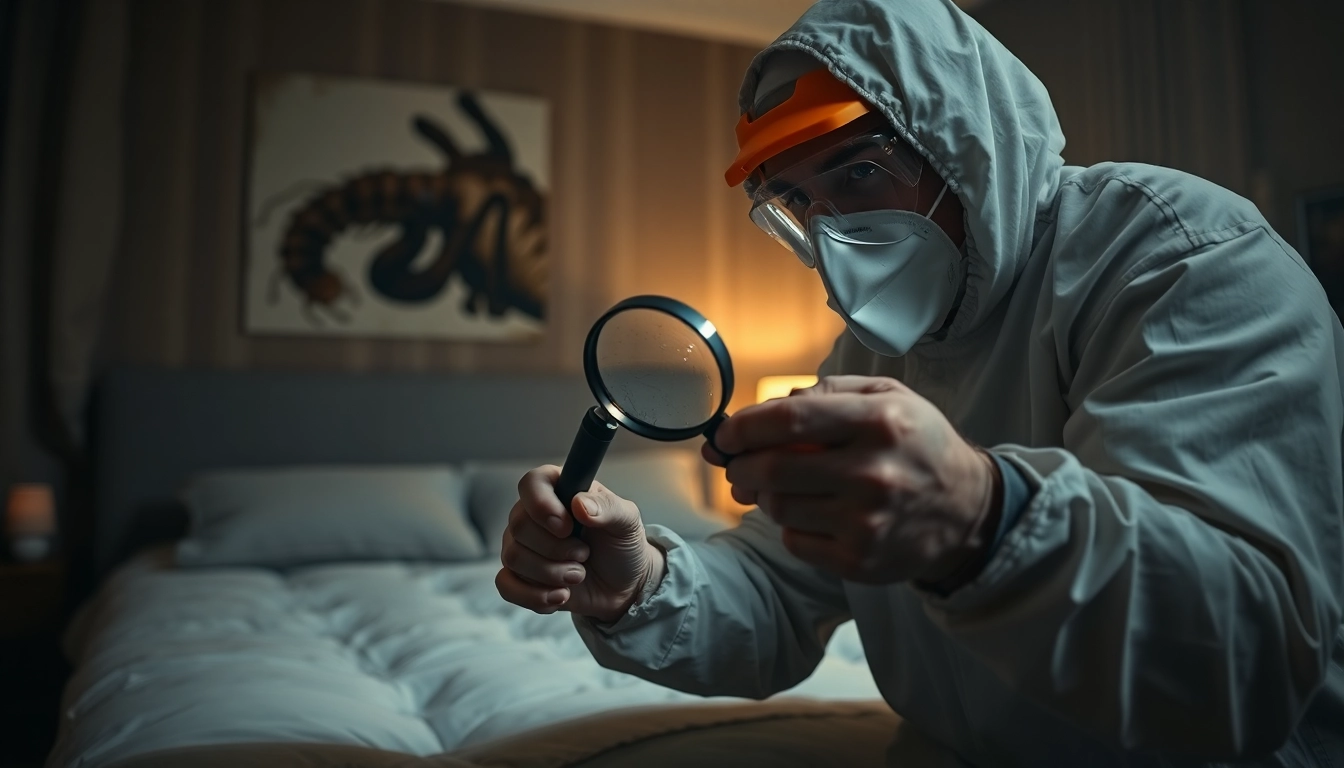
Understanding Bed Bugs and Their Infestations
What Are Bed Bugs?
Bed bugs are small, parasitic insects that primarily feed on the blood of humans and animals. They are about the size of an apple seed and are reddish-brown in color. Bed bugs have flattened bodies, making it easy for them to hide in various small spaces, especially in human dwellings. Their nocturnal nature means they are most active at night, making their presence often undetected until the infestation has grown significantly. Understanding their biology is crucial for effective control and eradication.
Common Signs of Infestation
Identifying a bed bug infestation early on is essential for effective treatment. Common signs include:
- Bites on the body: Bed bug bites often appear in a line or cluster on exposed skin, causing itchy red welts.
- Stains on bedding: Tiny rust-colored spots on sheets or mattresses are a telltale sign of bed bug excrement.
- Egg casings: These are tiny, translucent, and easily overlooked but indicate that bed bugs are hiding nearby.
- Musty odor: A distinctive, unpleasant scent may develop in heavily infested areas, resembling a sweetish odor.
Health Risks Associated with Bed Bugs
While bed bugs are not known to transmit diseases, their bites can cause significant psychological distress and lead to anxiety and insomnia. Secondary infections may occur from excessive scratching, which can break the skin and potentially introduce harmful bacteria. Understanding these health implications emphasizes the need for immediate intervention by bed bug exterminators to eliminate the pests and mitigate health risks.
Choosing the Right Bed Bug Exterminators
Qualities of Professional Exterminators
Selecting an effective exterminator is critical in resolving a bed bug problem. Look for professionals who demonstrate:
- Experience: Choose exterminators with proven records in handling bed bug infestations.
- Certifications: Licensed pest control exterminators should have relevant training and certification in bed bug treatments.
- Technology use: Modern exterminators employ heat treatment, targeted insecticides, and comprehensive inspection tools.
- Customer Reviews: Positive feedback from previous clients is often a marker of reliability and quality service.
Questions to Ask Before Hiring
Prior to hiring an exterminator, consider asking the following questions:
- What methods do you use for bed bug extermination?
- Can you provide references or testimonials from previous clients?
- Are your treatments safe for pets and children?
- What is your policy for follow-up inspections or treatments?
- How long can I expect the treatments to be effective?
Costs and Estimates for Extermination Services
The cost of bed bug extermination can vary widely depending on several factors, including the severity of the infestation and the methods used. Typically, professional extermination can range from $300 to $1,500. Elements affecting pricing include:
- Size of the property: Larger spaces will require more extensive treatment.
- Extent of the infestation: More severely infested areas will require additional treatments.
- Type of treatment: Heat treatments can be more expensive compared to chemical treatments.
Effective Bed Bug Extermination Methods
Chemical Treatments and Their Efficacy
Chemical treatments involve the application of insecticides designed specifically to target bed bugs. These chemicals may vary in formulation, and it's essential that the exterminator chooses products that are effective and comply with safety regulations. Traditional insecticides may have varying levels of effectiveness and can sometimes lead to resistant bed bug populations.
Heat Treatment and Its Benefits
Heat treatment is recognized as one of the most effective methods for eradicating bed bugs. By raising the temperature of infested areas to a lethal level, typically around 118°F (48°C), bed bugs, including their eggs, are killed instantly. Benefits include:
- No residues: Unlike chemicals, heat doesn't leave harmful residues behind.
- Rapid results: Heat treatment can eliminate pests in a single session.
- Comprehensive coverage: Heat penetrates where chemicals cannot reach, including wall cavities and furniture.
Integrated Pest Management Approaches
Integrated Pest Management (IPM) combines multiple strategies to manage pest problems effectively. This approach is both environmentally friendly and sustainable. Key components of IPM include:
- Inspection: Regular checks for signs of bed bugs are crucial in preventing infestations.
- Sanitation: Maintaining clean living spaces can significantly reduce bed bug attraction.
- Cultural controls: Changing behaviors such as reducing clutter can significantly help in management.
- Mechanical controls: Using traps and monitors to detect bed bugs can aid in control efforts.
DIY vs. Professional Bed Bug Control
Pros and Cons of DIY Treatments
Many homeowners consider DIY solutions for bed bug infestations to save money. However, while some methods can be effective, they come with pros and cons:
Pros: Cost-effective, accessible products, flexible timing.
Cons: Often less effective than professional treatments, potential for insufficient coverage, possibility of causing bed bugs to spread.
When to Call Professional Bed Bug Exterminators
If you notice persistent signs of bed bugs despite your efforts or if an infestation is widespread, it’s time to seek help from bed bug exterminators. Professionals have the tools, experience, and methods to deal with severe infestations effectively.
Long-Term Prevention Strategies
Once bed bugs have been eliminated, it’s crucial to implement long-term prevention strategies. These may include:
- Regular inspections of sleeping areas and furniture.
- Using protective covers on mattresses and box springs.
- Keeping clutter to a minimum to reduce hiding places.
- Educating household members about bed bug prevention tactics.
Frequently Asked Questions About Bed Bug Exterminators
How can I prevent bed bug infestations?
Prevent infestations by regularly inspecting sleeping areas, vacuuming frequently, and keeping bedding clean. Avoid buying secondhand furniture without inspection and regularly wash and dry linens at high temperatures.
Are bed bug treatments safe for pets?
Most professional bed bug treatments can be safe for pets when conducted by certified exterminators. Always inform the exterminator about your pets beforehand, so they can take necessary precautions.
How long does an extermination process take?
The duration of the extermination process can vary based on the severity of the infestation. Typically, treatments may take a few hours, but complete success can require follow-up visits and ongoing monitoring over several weeks.
What should I expect after treatment?
After treatment, you may notice some dead bed bugs and possibly bites from remnants. Follow any instructions provided by your exterminator for optimal outcomes, including additional cleaning or monitoring steps.
How do I prepare my home for extermination?
Preparation involves cleaning and decluttering the areas to be treated, washing bedding and clothing, and moving furniture away from walls. Your exterminator will provide specific instructions tailored to your situation.