The Basics of Forklift
In industrial and commercial environments, the forklift plays a crucial role in material handling. This powered industrial truck is designed to lift, move, and stack heavy loads with precision and efficiency. Understanding the fundamentals of the forklift sets the stage for maximizing its potential on the job site.
What Is a Forklift?
A forklift, often referred to as an industrial truck or lift truck, is a versatile piece of equipment equipped to maneuver and handle materials in various settings. With its hydraulic lifting mechanism, it can hoist loads to significant heights, proving invaluable in warehouses, construction sites, and manufacturing facilities.
Key Components of a Forklift
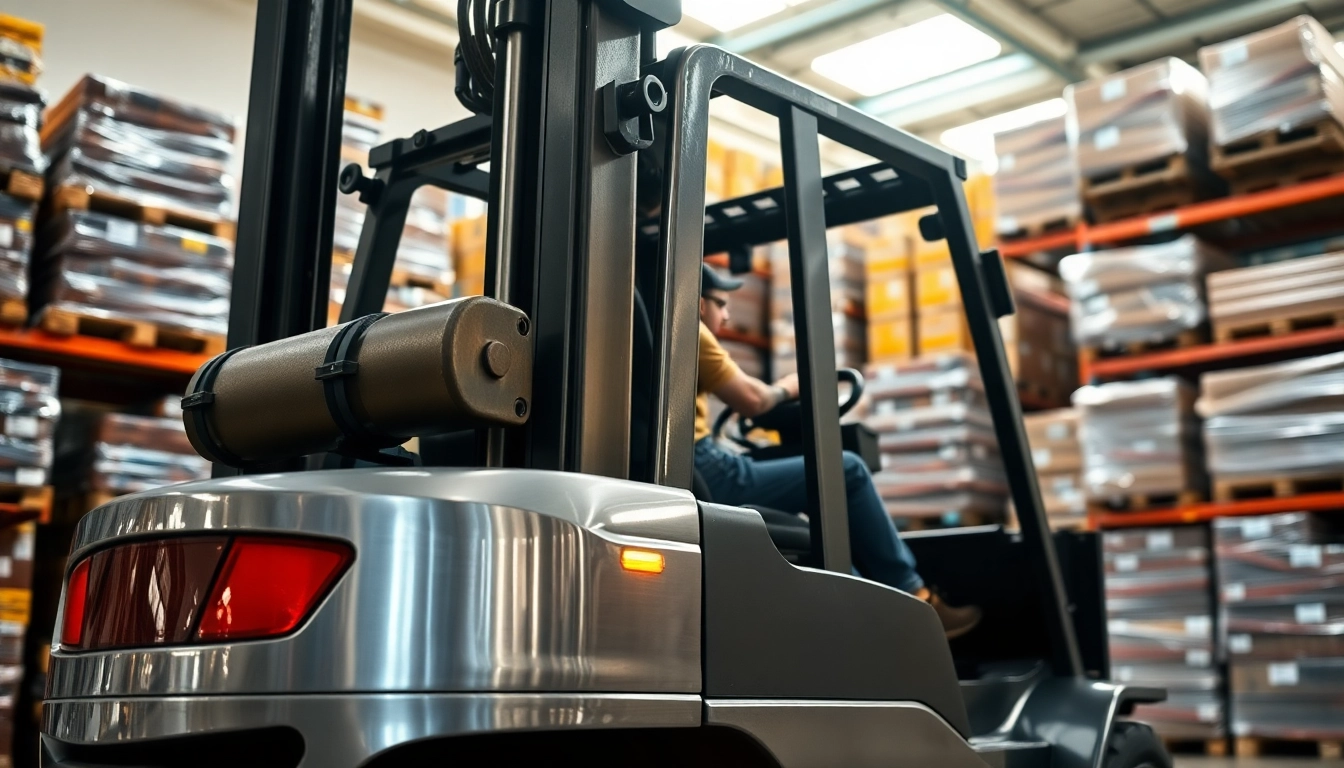
Understanding a forklift's components is essential for effective operation. Here are the main parts:
- Mast: The vertical assembly that raises and lowers the load.
- Forks: The prongs that directly grasp and hold loads.
- Chassis: The frame that supports the forklift's structure.
- Powertrain: The engine that provides power, typically either electric or fueled by internal combustion.
- Operator Cabin: The space where the driver controls the forklift.
How Forklifts Operate
The operation of a forklift is based on hydraulic mechanics and electrical systems. The operator controls the vehicle via levers, pedals, and switches that activate different functions such as lifting the mast or moving the forklift forward and backward. The hydraulic system allows the forks to lift loads with precision and stability.
Types of Forklift
Knowing the types of forklifts available can help in selecting the right one for specific tasks. Each type has unique advantages depending on the environment and materials handled.
Electric Forklift
Electric forklifts are popular for indoor applications because they produce no emissions, making them suitable for enclosed spaces. These forklifts are typically quieter and have lower operational costs due to reduced fuel and maintenance requirements.
Internal Combustion Forklift
Internal combustion forklifts, powered by either gasoline or diesel, are designed for outdoor use. These models are generally more powerful and can handle heavier loads across rough terrains, making them ideal for construction and lumberyards.
Narrow Aisle Forklift
Narrow aisle forklifts are specifically designed for working in tight spaces, like warehouse aisles. Their compact design enables them to navigate through slender passageways efficiently, allowing for optimal storage and inventory management.
Forklift Safety Guidelines
Safety is paramount when operating a forklift. Following established guidelines helps prevent accidents and ensures the safety of both operators and bystanders.
Operator Training Requirements
Training for forklift operators is essential and often mandated by regulatory bodies. Operators should complete formal training that includes both theoretical and practical components, with an emphasis on safe operation practices and hazard recognition.
Daily Safety Checks
Before each shift, operators should conduct thorough inspections of the forklift. Daily checks should include examining the brakes, forks, lights, and safety devices. Identifying issues early can help prevent malfunctions during operation.
Best Practices for Safe Operation
Implementing best practices is critical for safe forklift operation. Operators should adhere to the following guidelines:
- Always wear seat belts and use protective gear.
- Be aware of surroundings and signal appropriately.
- Do not exceed load capacity and ensure proper load placement.
- Avoid sharp turns and sudden movements.
Benefits of Using a Forklift
Utilizing forklifts brings numerous benefits to workplaces, enhancing productivity and efficiency.
Increased Efficiency in Handling Materials
Forklifts significantly reduce the time and manpower required to handle heavy loads. This efficiency promotes faster project completion and allows workers to focus on other critical tasks.
Cost-Effectiveness
Investing in forklifts can yield substantial cost savings. When implemented correctly, forklift operations reduce labor costs while improving material handling productivity, resulting in a higher return on investment.
Versatility Across Industries
Forklifts are adaptable, serving a range of industries from retail and manufacturing to construction and agriculture. Their versatility makes them essential for various applications, allowing businesses to streamline their operations.
Common Forklift Challenges
Despite their advantages, forklifts come with their own set of challenges that operators and employers must address.
Understanding Load Capacity
Operators must be trained to understand the specifics of load capacity. Overloading a forklift can lead to accidents, hence recognizing the load limits and proper distribution is crucial.
Preventing Forklift Accidents
Accidents often occur due to a lack of awareness, improper training, or neglecting safety practices. Establishing a culture of safety and continuous education for operators can help mitigate risks significantly.
Maintenance and Repairs
Regular maintenance is vital for ensuring forklift longevity and operational efficiency. Scheduled servicing can prevent unexpected breakdowns and costly repairs, keeping operations running smoothly.
FAQs About Forklifts
What is a forklift’s load capacity?
The load capacity of forklifts varies widely based on the model, ranging from 3,000 to over 75,000 pounds for larger machinery. Always check the specifications for each forklift.
How often should forklifts be serviced?
Forklifts should undergo regular maintenance every 200 hours of operation, or at least once a month. This prevents mechanical failures and enhances safety and efficiency.
Are training certifications required for forklift operators?
Yes, training certifications are often mandated by OSHA or similar regulatory bodies. Operators must complete training that includes both written and practical assessments.
Can forklifts operate in wet conditions?
Some forklifts are designed for wet conditions, but it's generally best to avoid operating them in rain or slippery surfaces as reduced traction can lead to accidents.
What should I do if my forklift breaks down?
If a forklift breaks down, ensure operator safety first. Then, report the issue to the maintenance team immediately and follow procedures to minimize disruptions in the workplace.