Understanding the Telehandler
What is a Telehandler?
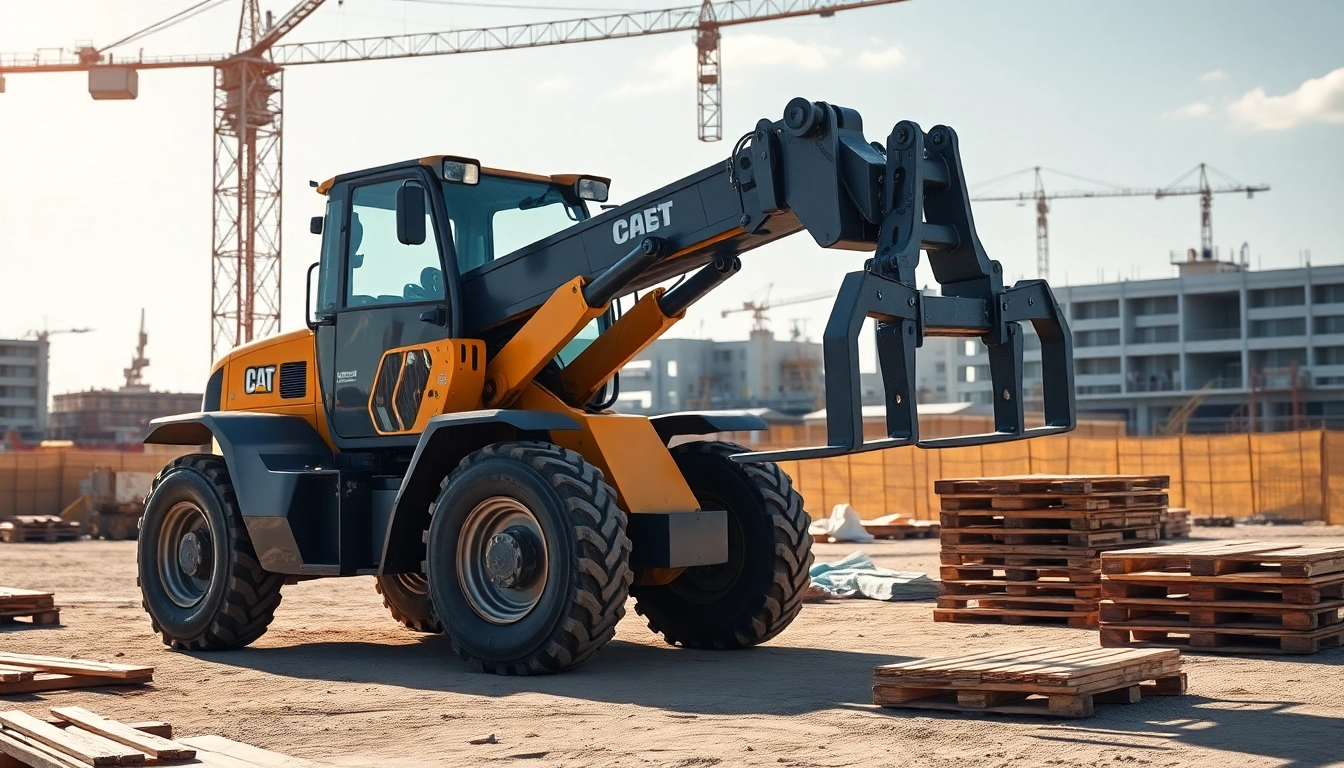
A telehandler, or telescopic handler, is a versatile piece of equipment commonly used across various industries, including construction, agriculture, and warehousing. This machine combines the features of a forklift and an extendable arm, allowing it to lift and maneuver heavy loads with precision and reach. With the ability to attach different implements, a telehandler can perform numerous functions, making it an indispensable tool on many job sites. For those considering acquiring this versatile machine, it's worth exploring options through reliable telehandler rental services to optimize costs and equipment use.
Components and Functionality
Telehandlers consist of several key components that contribute to their effective operation:
- Telescopic Boom: The hallmark of the telehandler, this boom can extend and retract, allowing the machine to reach materials at various heights and distances.
- Forks: These are the standard attachment used for lifting loads, similar to a forklift.
- Cab: The operator’s workspace is designed for visibility and comfort, often equipped with advanced controls for maneuvering and load management.
- Chassis: A robust frame provides stability and strength, often with four-wheel drive to enhance mobility on rugged terrain.
The design and functionality of telehandlers enable them to execute a range of tasks, such as lifting and moving materials, reaching over obstacles, and accessing hard-to-reach areas, making them essential for dynamic work environments.
Comparison with Other Equipment
While telehandlers share similarities with other lifting equipment, like forklifts and cranes, they are distinct in their capabilities:
- Forklifts: Best suited for moving goods over short distances; telehandlers excel in lifting to significant heights and reaching over obstacles.
- Cranes: While ideal for heavy lifting, cranes lack the versatility and mobility of telehandlers, which can navigate tight spaces.
- Boom Lifts: These are designed primarily for aerial work; in contrast, telehandlers can also perform ground-based lifting and material handling tasks.
Choosing the right equipment depends largely on specific job requirements and the nature of the tasks at hand.
Benefits of Using a Telehandler
Enhanced Reach and Versatility
One of the standout features of telehandlers is their extended reach, which allows users to lift materials up to impressive heights, often exceeding 50 feet, depending on the model. This capability is crucial in construction sites where vertical access is a requirement. Additionally, the ability to use various attachments—like buckets, grapples, and work platforms—enhances the telehandler's versatility, making it suitable for diverse applications from lifting pallets to hoisting construction workers for aerial tasks.
Improved Safety Features
Safety is paramount in any work environment, and telehandlers are designed with advanced safety features to protect operators and workers alike. Many models come equipped with:
- Stabilizers: Provide additional support when lifting heavy loads or working on uneven ground.
- Load Management Systems: Help prevent overloading, ensuring that the telehandler operates within its safe limits.
- Visibility Enhancements: Features like high-cab designs offer operators a clearer view of their surroundings, reducing the chances of accidents.
These safety features not only protect personnel but also contribute to the efficient operation of heavy machinery on site.
Cost-Effectiveness in Operations
A telehandler can be a cost-effective solution for various industries. Instead of investing in multiple pieces of equipment for different tasks, a single telehandler can be outfitted with various attachments to handle numerous functions. Additionally, renting a telehandler can significantly reduce upfront costs and maintenance expenses, allowing companies to allocate resources more efficiently. This adaptability can lead to improved productivity without significant capital investments.
How to Choose the Right Telehandler
Assessing Job Requirements
Before selecting a telehandler, it's essential to assess the specific needs of your projects. Consider the following factors:
- Load Capacity: Determine the weight of materials you regularly lift. Telehandlers come in various lifting capacities, so select one that aligns with your maximum load requirements.
- Height Requirements: Analyze how high you need to lift loads. Some projects may require reaching multiple stories, while others may only need limited elevation.
- Terrain Type: If you're working on rough or sloped surfaces, consider a telehandler with four-wheel drive and a robust chassis to ensure stability and safety.
By thoroughly understanding your project requirements, you can make informed decisions regarding the telehandler's specifications.
Telehandler Specifications to Consider
When choosing a telehandler, pay attention to these critical specifications:
- Lift Height: Evaluate the maximum height the telehandler can reach; this is crucial for multi-story construction sites.
- Lift Capacity: Ensure the machine can handle the weights encountered during operations, typically ranging from 4,400 lbs to over 12,000 lbs.
- Forward Reach: This measurement indicates how far the telehandler can reach forward without losing stability, vital for accessing loads positioned at a distance.
- Attachments: Consider the different tools and implements available, as diversifying equipment can meet various operational needs.
Taking the time to evaluate these specifications helps ensure you pick a telehandler tailored to meet your job site demands.
Rental vs. Purchase Decisions
Deciding whether to rent or purchase a telehandler involves analyzing financial and operational implications:
- Frequency of Use: If a telehandler is needed for short, specialized projects, renting may be advantageous. Conversely, if your operations rely on continuous use, purchasing might be more cost-effective.
- Budget Constraints: Rental costs can add up, but they often include maintenance. Weigh these expenses against the long-term financial outlay of purchasing equipment.
- Technology Updates: Rental companies frequently update their fleets. Renting can provide access to the latest telehandler models fitted with advanced technology.
Careful consideration of these factors will assist in making a strategic decision suitable for your operational needs.
Telehandler Best Practices
Operating Tips for Efficiency
Efficient telehandler operation enhances productivity and safety. Here are some best practices:
- Training: Ensure operators receive comprehensive training to familiarize them with controls and safety protocols.
- Pre-Operation Checks: Conduct regular inspections, including checking fluid levels and ensuring attachments are securely fastened.
- Load Management: Always distribute weight evenly and abide by the load chart provided by the manufacturer to prevent tipping.
Implementing these practices will promote efficient, safe telehandler operations.
Regular Maintenance Guidelines
To keep a telehandler operating efficiently, regular maintenance is crucial. Here are essential maintenance tips:
- Daily Inspections: Identify any potential issues, like leaks, tire wear, or faulty lights before operation.
- Scheduled Maintenance: Follow the manufacturer’s recommended service schedule for oil changes, filter replacements, and major components check.
- Storage: When not in use, store the telehandler in a clean, dry area to protect it from the elements.
Consistent maintenance extends the lifespan of the telehandler and enhances its reliability.
Finding Qualified Operators
Having skilled operators is essential for safe and efficient telehandler operation. Ensure that operators:
- Have undergone proper training and certification.
- Understand the telehandler's load chart and operational guidelines.
- Are aware of site-specific hazards and safety protocols.
Investing in proper personnel training will maximize the effectiveness of your telehandler and ensure a safer working environment.
Frequently Asked Questions
What tasks can a telehandler perform?
A telehandler can lift and move materials, position loads at various heights, and even perform aerial tasks with the right attachments.
How much does it cost to rent a telehandler?
Rental rates vary based on size and model but typically range from $300 to $1,500 per day, with additional fees for attachments.
What attachments are available for telehandlers?
Common attachments include forks, buckets, grapples, and aerial platforms, enabling various lifting and material handling tasks.
Are telehandlers safe to operate?
Yes, telehandlers are safe to operate when used by trained personnel who follow safety protocols and load management guidelines.
How do I maintain a telehandler?
Maintenance includes daily inspections, adhering to a regular service schedule, and proper storage to protect against wear and tear.
Contact Information
Call Us: 4062607988Address: 3906 MT-40, Columbia Falls, MT 59912