Understanding Hydraulic Hose Repair
What Is Hydraulic Hose Repair?
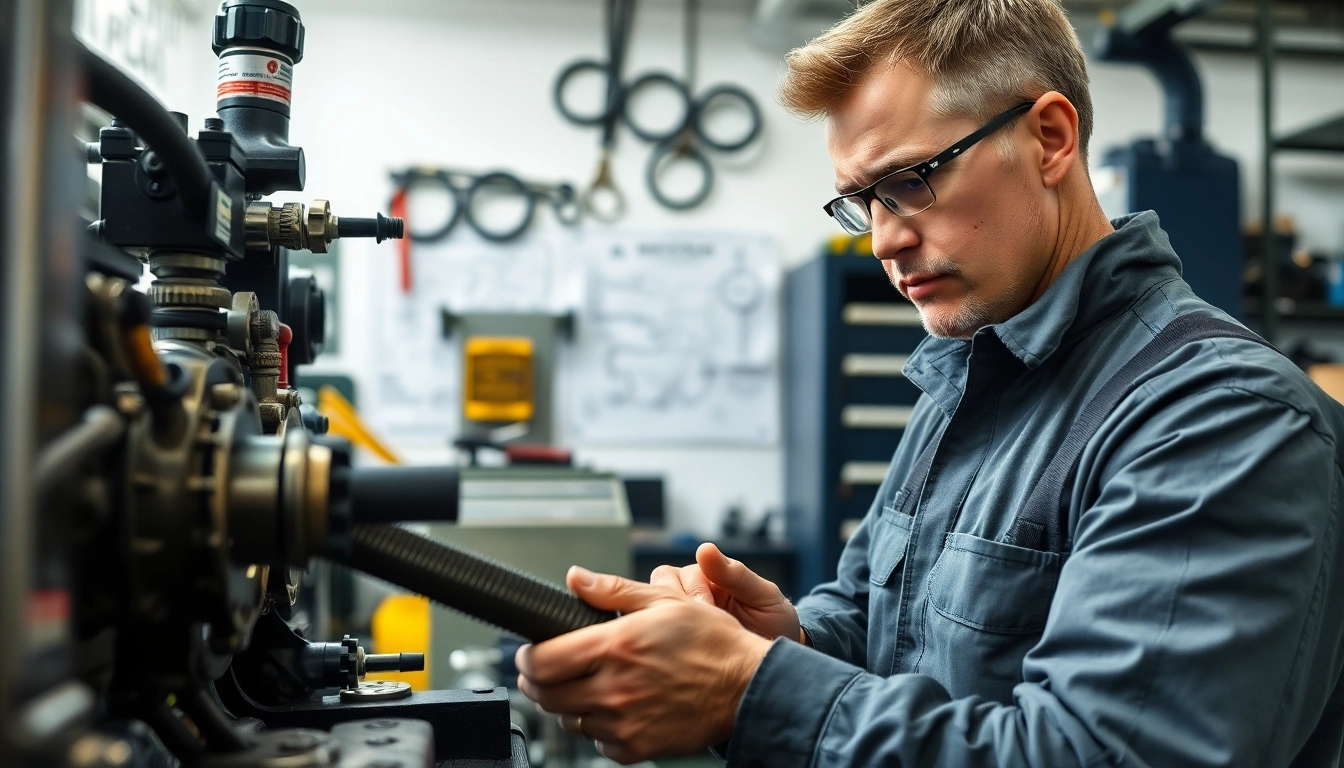
Hydraulic hose repair is a critical aspect of maintaining hydraulic systems that are indispensable in various industries, from construction to manufacturing. A hydraulic hose carries fluid under pressure, transmitting power from one component to another. Over time, wear and tear, environmental factors, and operational stress can lead to hose failure. Hydraulic hose repair involves diagnosing and fixing issues that compromise the functionality of these hoses, ensuring that machinery operates smoothly and efficiently.
Common Issues Leading to Hydraulic Hose Repair
Several common problems can necessitate hydraulic hose repair. These issues include:
- Leaks: One of the most evident signs of a failing hydraulic hose is a fluid leak. These can often be traced to a crack, cut, or loose fitting.
- Bulging: Hose bulging indicates internal pressure exceeds the hose's specifications, often leading to catastrophic failure if not addressed.
- Cracking: External cracks can develop due to environmental exposure, making hoses susceptible to failure at any moment.
- Fitting Issues: Loose or worn fittings can lead to disengagement or leaks, undermining system integrity.
- Temperature and Fluid Compatibility: Improper hose selection with respect to temperature and fluid type can lead to premature failure.
The Importance of Timely Repairs
Timely hydraulic hose repair is essential to prevent further damage to equipment, minimize downtime, and enhance safety. Ignoring minor issues can escalate into significant failures, leading to costly repairs, extensive maintenance downtime, and potential safety hazards. Addressing hydraulic hose problems promptly ensures consistent operation and prolongs the lifespan of hydraulic systems.
Tools and Equipment for Hydraulic Hose Repair
Essential Tools for Effective Hydraulic Hose Repair
Being equipped with the right tools for hydraulic hose repair can streamline the process and improve outcomes. Here’s a list of foundational tools:
- Hose Cutters: Ensure a clean cut on the hose to prevent fraying and ensure a solid connection.
- Swaging Tools: These are critical for attaching end fittings securely and ensuring a leak-proof seal.
- Torque Wrenches: They facilitate applying the right amount of torque on fittings, preventing loosening during operation.
- Measuring Tape: Ensures that the right lengths of hose are used for replacement, crucial for system integrity.
- Leak Detection Equipment: Tools such as dye testers or ultrasonic leak detectors can help identify issues before they escalate.
Advanced Equipment for Professional Repairs
For more extensive and professional hydraulic hose repairs, several advanced tools and equipment can be beneficial:
- Hydraulic Hose Crimpers: High-quality crimpers ensure that fittings are secured under factory-precise specifications.
- Pressure Testing Kits: These kits help to validate the integrity of hoses after repair to ensure they can handle operational pressures.
- Hose Reel Systems: Allow for efficient storage and dispensing of hydraulic hoses, minimizing wear when not in use.
- Ratcheting Hose Clamp Tools: Essential for tightening clamps to secure hoses without damaging them.
Safety Gear: Protecting Yourself During Repairs
Maintaining safety during hydraulic hose repair is paramount. Operators should prioritize the use of appropriate safety gear:
- Gloves: Enhance grip and protect hands from oil and sharp objects.
- Safety Glasses: Protect eyes from debris and splashes of hydraulic fluid.
- Steel-Toed Boots: Provide foot protection against heavy machinery and falling objects.
- Hearing Protection: Particularly necessary in noisy environments where machinery is operating.
Step-by-Step Guide to Hydraulic Hose Repair
Initial Assessment and Identification of Issues
The first step in effective hydraulic hose repair is conducting a thorough assessment. Begin by inspecting the hoses for visible signs of damage such as leaks, cracks, or bulging. Check connections and fittings for tightness. Utilize leak detection equipment for more subtle leak sources. Once you've identified issues, determine whether the damaged hose is repairable or requires replacement.
Preparing for Repair: Necessary Precautions
Before proceeding with any repairs, it is vital to prepare adequately. Here are crucial precautions to take:
- Depressurize the System: Ensure that the hydraulic system is fully depressurized to prevent unexpected fluid release.
- Gather Tools: Assemble necessary tools and replacement parts to minimize downtime.
- Consult Documentation: Always reference the manufacturer’s guidelines to ensure correct procedures are followed.
- Work Environment: Ensure the workspace is clean, well-lit, and free of tripping hazards to enhance safety.
Executing the Repair Process
Once preparation is complete, you can execute the repair. Follow these steps:
- Cut the hose using a hose cutter to prevent fraying.
- Attach new fittings using a swaging tool, ensuring airtight seals.
- Reassemble the system, securing all connections tightly.
- Conduct pressure testing on the repaired hose to confirm integrity.
- Monitor the repaired hose during initial operation to ensure it operates without leaks or other issues.
Best Practices for Hydraulic Hose Maintenance
Routine Inspections to Prevent Issues
Regular inspections are paramount in maintaining hydraulic hoses. Establish a schedule for checking hoses at least every six months. Look for signs of wear, leaks, or damage and address any potential issues before they worsen. Implementing a logging system can help track hose conditions and replacement histories for future reference.
Storage Tips for Hydraulic Hoses
Proper storage of hydraulic hoses can significantly enhance their lifespan. Here are some recommendations:
- Avoid Direct Sunlight: Store hoses away from UV rays that can degrade materials.
- Keep Off the Ground: Use racks or reels to avoid dirt and moisture contact.
- Temperature Control: Maintain a stable temperature to prevent expanding or contracting that can lead to cracks.
- Organized Layout: Store hoses in an organized manner to prevent tangling and damage during retrieval.
Choosing the Right Parts and Materials
Selecting suitable parts and materials for repairs is essential to ensure long-term performance. Always choose compatible hose materials based on the type of hydraulic fluid, temperature range, and operating pressures. Consult manufacturers' specs when selecting components, and consider using OEM parts for optimal reliability.
FAQs About Hydraulic Hose Repair
How often should hydraulic hoses be inspected?
Inspect hydraulic hoses at least once every six months, or more frequently in high-use settings. Frequent inspections can help catch early signs of wear.
What are the signs of a failing hydraulic hose?
Look for leaks, bulges, or cracks and monitor for unusual noises during operation. These are indicators that the hose may be failing and needs immediate attention.
Can I repair a hydraulic hose myself?
Yes, but ensure you have the right tools and training to avoid safety hazards. DIY repairs are feasible for those who understand the process and have experience.
What types of hoses can be repaired?
Most hydraulic hoses can be repaired if the damage is not severe. Always assess the extent of the damage before deciding on repair versus replacement.
Where can I learn more about hydraulic hose repair?
Visit hydraulic hose repair for comprehensive resources and guides on hydraulic hose repair. There are numerous guides and tips available to enhance your knowledge.
Contact Information
Call Us: 780.452.2876Email: [email protected]Address: 13111 159 Street Edmonton, AB T5V 1H6