Understanding the SHASHEL® Technology
In a world increasingly concerned with sustainability and environmental safety, the SHASHEL® technology stands out as an innovative solution for pest control, specifically tailored to eliminate wood-boring insects. By leveraging advanced microwave technology, SHASHEL® ensures a chemical-free approach to treating wood, offering both efficiency and safety. This article will explore how SHASHEL® functions, its key features, and the myriad benefits of adopting this cutting-edge method for pest control in various settings.
How SHASHEL® Works to Eliminate Wood Pests
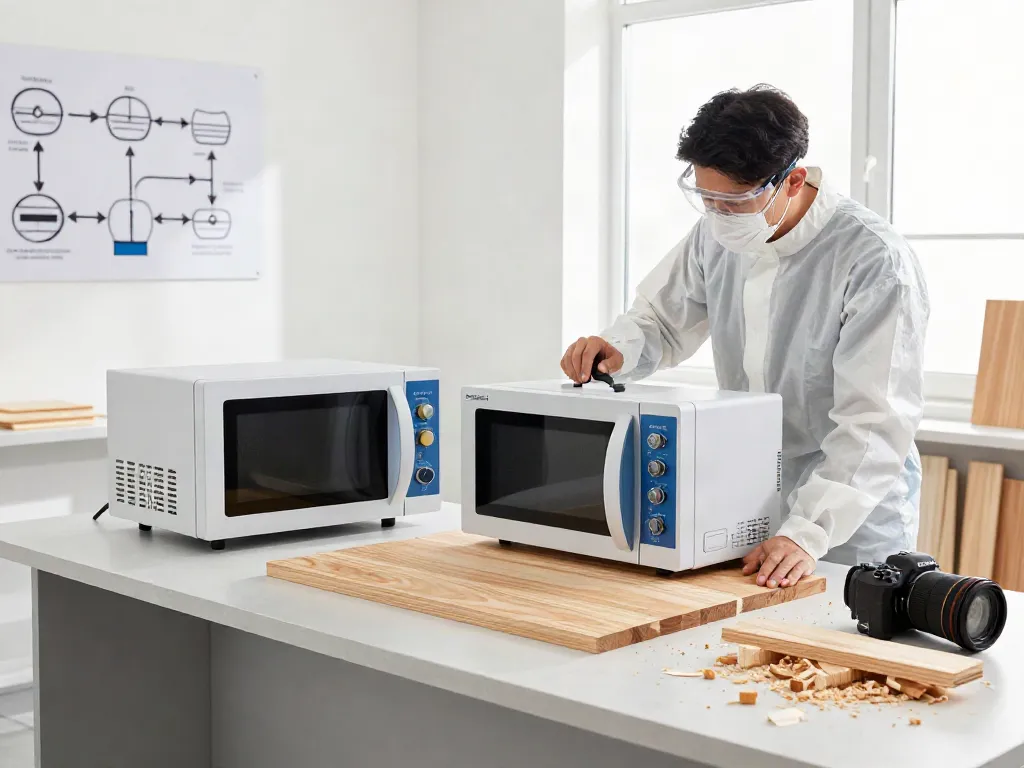
The primary mechanism behind SHASHEL® lies in its microwave technology, which heats the wood and its inhabitants—beetles, larvae, and eggs—effectively eradicating them. This process not only penetrates deep into wood structures, ensuring thorough treatment, but also operates without the use of harmful chemicals, making it safe for residential and commercial applications alike. Unlike traditional treatments that may leave residual chemicals, SHASHEL® offers immediate results without compromising indoor air quality.
Key Features of SHASHEL® Equipment
- Rapid Treatment Duration: SHASHEL® can completely eliminate wood pests in a matter of minutes, significantly reducing downtime.
- Versatile Applications: Suitable for a variety of wood types, the equipment can be used in homes, warehouses, and other commercial spaces.
- Eco-Friendly Operation: The microwave technology is chemical-free, aligning with modern environmental standards and safety requirements.
- Effective Heat Penetration: Deep and uniform heat distribution ensures all pests are effectively treated, regardless of their life stage.
Benefits of Using Microwave Technology for Pest Control
Beyond the immediate efficacy, SHASHEL® offers several long-term benefits:
- Health Safety: The absence of chemicals reduces health risks associated with traditional pest control methods.
- Cost-Effectiveness: With quick treatment times and reduced need for repeat applications, users can save on long-term pest management costs.
- Minimal Disruption: The swift process means less disruption to daily activities or business operations.
- Comprehensive Protection: SHASHEL® not only targets adults but also effectively deals with larvae and eggs, providing thorough protection against future infestations.
Common Mistakes in Using SHASHEL®
While SHASHEL® offers a revolutionary approach to pest control, improper usage can compromise its effectiveness. Understanding common mistakes is crucial for maximizing the benefits of this innovative technology.
Improper Setup and Calibration Issues
One of the most critical factors in achieving optimal results with SHASHEL® is ensuring that the equipment is set up correctly. Users should follow the manufacturer’s guidelines regarding distance, positioning, and calibration to avoid uneven heating, which can lead to ineffective pest elimination.
Overlooking Safety Protocols in Treatment Areas
Although SHASHEL® is designed with safety in mind, users must still adhere to recommended safety protocols. This includes ensuring that no flammable materials are present in the treatment area and that the equipment is monitored throughout the application process.
Ignoring Manufacturer Guidelines for Effective Use
Adhering to the manufacturer’s guidelines is essential for effective usage. This includes instructions on the types of wood that can be treated, the appropriate power settings, and treatment durations specific to different pest species. Failure to follow these guidelines can lead to suboptimal results and potential issues with pest recurrence.
Best Practices for Maximizing SHASHEL® Efficiency
To fully leverage the benefits of SHASHEL®, users should implement certain best practices that enhance performance and ensure successful pest control.
Preparing Wood for Microwave Treatment
Prior to treatment, it is essential to prepare the wood properly. This includes cleaning the surface to remove any debris and ensuring that moisture levels are appropriate, as wood that is too wet can absorb heat too quickly and lead to inconsistent treatment.
Monitoring Treatment Times and Conditions
Effective pest elimination requires careful monitoring of treatment times and environmental conditions. Users should keep track of the time spent on each section of wood and adjust their approach based on temperature and humidity levels, which can affect pest behavior.
Ensuring Follow-up Inspections for Pest Prevention
Even after treatment, regular inspections are vital for preventing future infestations. Users should implement a schedule for periodic checks and maintain a clean environment to minimize the risk of pests returning.
Real-World Applications of SHASHEL®
SHASHEL® technology is already making waves across various industries, providing effective solutions to pest management challenges.
Case Studies of Successful Pest Elimination
There are numerous documented cases where SHASHEL® has been instrumental in controlling wood pest outbreaks. For instance, a furniture manufacturing company reported a complete elimination of woodworm infestations in their warehouse, resulting in substantial cost savings and improved product quality.
Feedback from Professional Users of SHASHEL®
Many professionals in the pest control industry have praised SHASHEL® for its effectiveness. Technicians have noted that the ease of use and rapid results have made it a staple in their pest management arsenal.
Comparative Analysis with Traditional Pest Control Methods
When compared to traditional chemical treatments, SHASHEL® demonstrates superior effectiveness and safety. Unlike conventional methods, which often require extensive safety measures and longer treatment times, SHASHEL® offers a swift, comprehensive solution that minimizes exposure to harmful substances.
Future Trends in Pest Control Technology
As technology evolves, so do pest control methodologies. The future looks bright for microwave technology and its application in pest management.
Emerging Innovations in Microwave Treatments
Research is ongoing into enhancing microwave technology further. Future iterations of SHASHEL® may include automated systems that utilize AI to analyze wood conditions and optimize treatment processes.
Predicted Industry Developments for 2026
By 2026, it is anticipated that pest control will see a marked shift towards more environmentally friendly solutions like SHASHEL€. As awareness grows regarding the dangers of chemical treatments, demand for non-toxic alternatives is expected to surge.
How SHASHEL® Fits into Sustainable Pest Management
SHASHEL® aligns perfectly with sustainable pest management strategies, providing a solution that is not only effective but also eco-friendly. As industries seek to reduce their carbon footprints, the adoption of SHASHEL® technology represents a forward-thinking approach to pest control challenges.