Understanding the Million Dollar Homepage Concept
What is the Million Dollar Homepage?
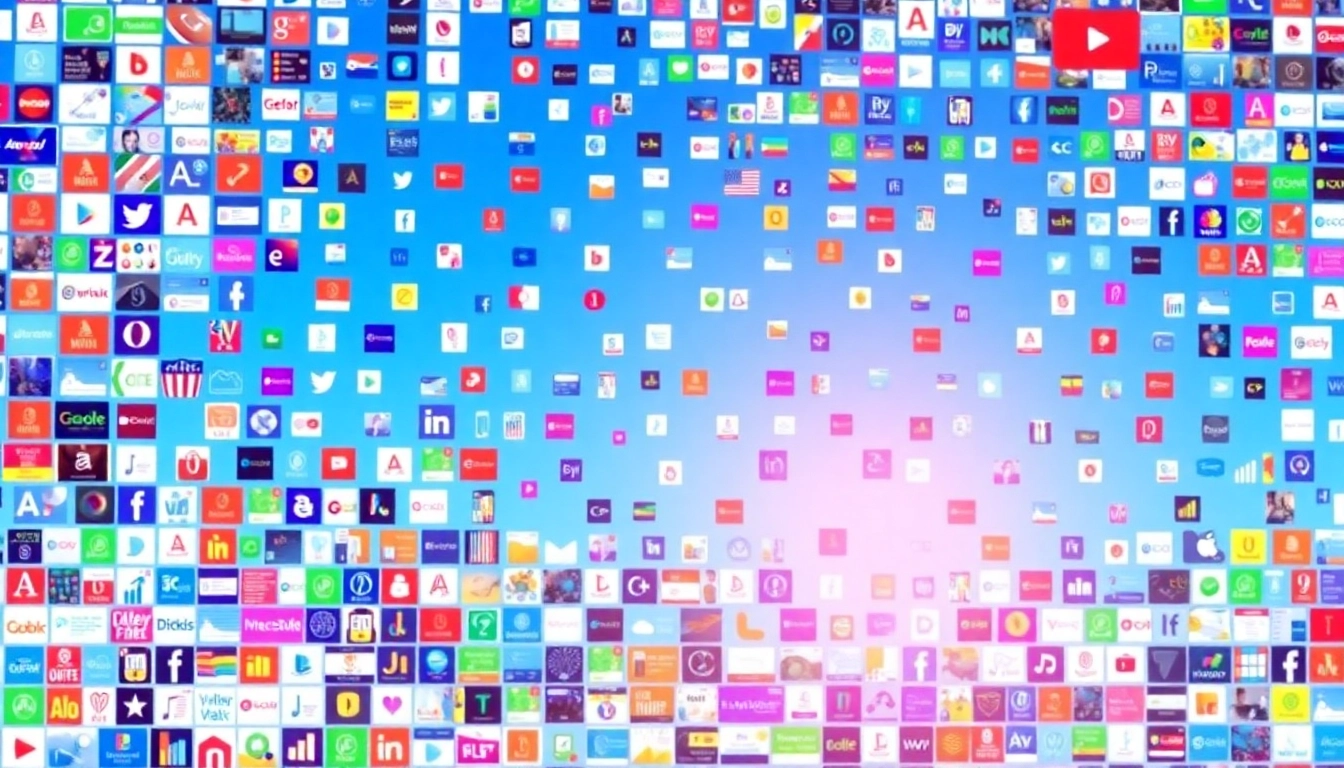
The million dollar homepage is a unique online project launched in the early 2000s that allows advertisers to buy pixels on a website that collectively form a larger visual mosaic or image. The site initially consisted of a grid with one million pixels, priced at one dollar each. The concept was simple yet innovative, providing an interactive space where businesses could advertise their brands in a visually compelling manner.
The History and Evolution of Its Idea
Launched in 2005, the million dollar homepage was not only a digital marketing innovation but also a social media phenomenon that attracted worldwide attention. The creator, Alex Tew, devised this web-based project as a way to fund his education. Within a few months, he had sold the entire grid, making a significant profit. The idea capitalized on the burgeoning internet culture, where interaction and engagement were becoming key components of advertising strategies. Over time, similar concepts emerged, but none matched the viral success and simplicity of the original million dollar homepage.
Why It Became a Popular Phenomenon
The million dollar homepage gained traction as users were drawn to the concept of owning a piece of the internet. Its novelty combined with its interactive nature attracted individuals and businesses alike, leading to increased visibility and customer engagement. Social media platforms amplified its reach, with users sharing the concept across various networks. Additionally, the idea had an element of scarcity and exclusivity; with only one million pixels available, businesses felt a sense of urgency to secure their space.
Visual Appeal: Designing a Million Dollar Homepage
Color Choices and Their Impact
In designing a million dollar homepage, color selection plays a pivotal role. Colors evoke emotions and perceptions, making them essential in capturing attention. For example, bright colors such as red and yellow are often associated with excitement and urgency, compelling users to engage with content. On the other hand, blues and greens convey trust and calmness, which can enhance brand credibility. Understanding the psychology of color can be an immense advantage in strategically placing advertisements that not only attract clicks but also communicate the brand message effectively.
Layout Strategies to Attract Clicks
An effective layout on a million dollar homepage should facilitate easy navigation while drawing attention to the most important elements. A grid-based layout allows a neat organization of ads while giving viewers a systematic way to browse options. Strategic placement of advertisements, such as positioning high-impact visuals at the top left (where the eye naturally lands first), can significantly enhance visibility. In addition, incorporating dynamic elements like animations or hover effects can engage users more effectively, enticing them to interact with the ads.
Branding Elements that Stand Out
For brands to stand out on a million dollar homepage, unique branding elements are essential. This includes using distinctive logos, custom typography, and compelling calls to action (CTAs). A cohesive branding strategy across advertisements ensures that each company's message is memorable and sticks with potential customers. Think of innovative design features, such as interactive buttons or engaging visuals, which can captivate users and differentiate brands in a crowded space. Ultimately, the combination of strategic design and compelling branding creates an irresistible allure for viewers.
Business Benefits of the Million Dollar Homepage Model
Financial Gain Through Advertisement Sales
One of the direct benefits of the million dollar homepage model is the potential for substantial financial gain through advertisement sales. By deploying a pixel-based advertising approach, businesses can generate significant revenue, especially if they can attract notable brands willing to pay for enhanced visibility. Moreover, pricing strategies can vary, allowing for tiered offerings based on pixel placement—higher visibility could command a premium price. The success of this model hinges on effectively marketing the platform to advertisers and ensuring high traffic levels to maximize earnings potential.
Building Brand Awareness Online
The million dollar homepage is an excellent platform for building brand awareness. For small businesses or startups seeking visibility, this model offers an affordable entry point into online advertising. As brands occupy pixels on the homepage, they not only promote their products but also position themselves within the larger digital ecosystem, leveraging shared traffic and potentially increasing their audience reach. The visual appeal of the homepage can keep viewers engaged, creating a memorable experience that spurs word-of-mouth promotion and enhances brand recall.
Networking Opportunities for Businesses
Beyond financial gains, the million dollar homepage model fosters networking opportunities among participating businesses. The shared environment allows brands to connect organically, leading to potential collaborations or partnerships. By exchanging ideas with other companies on the platform, brands can discover new markets, collaborate on marketing strategies, or innovate their products based on feedback or insights from peers. The social nature of the homepage transforms it into a community hub for brand owners, facilitating interactions that might not occur in traditional advertising formats.
Challenges and Misconceptions
Common Myths About Million Dollar Revenue
Despite its initial success, several misconceptions about the million dollar homepage persist. One common myth is that all participants will achieve millionaire status simply by purchasing pixels. In reality, the success of individual ads is contingent upon factors such as design quality, effective marketing strategies, and inherent appeal to the target audience. While some brands may see incredible returns, others might struggle due to the nature of digital advertising competition, making it essential for brands to actively promote their presence on the homepage.
Technical Difficulties in Implementation
Implementing a million dollar homepage comes with its technical challenges, particularly around website scalability and performance. Site owners must ensure that the platform can handle significant traffic while providing a seamless user experience. This includes managing server loads, optimizing page loading times, and ensuring robust user navigation. There is also the challenge of continually updating ads and maintaining a visually appealing layout, which requires good content management practices and possibly a dedicated team to manage these aspects.
Risks Involved in Such Business Models
Entering the million dollar homepage business model is not without risks. Market saturation poses a significant threat, especially with the emergence of similar platforms that may dilute the overall appeal of pixel advertising. Additionally, there are inherent risks related to ad fraud, where bot traffic can inflate visitor metrics without genuine engagement. Site operators must implement tracking and analytical tools to distinguish between real and fraudulent activity. Understanding these complexities not only helps mitigate risks but also sets the groundwork for a more sustainable business model.
Future of Digital Advertising Inspired by the Million Dollar Homepage
Emerging Trends in Online Advertising
The million dollar homepage's success laid the groundwork for emerging trends in digital advertising. With the rise of interactive and experiential advertising formats, brands are seeking innovative methods to engage audiences. Trends such as gamification and augmented reality (AR) present new opportunities for brands to create engaging ad experiences that resonate with consumers. As technology evolves, digital advertising may pivot towards more immersive experiences, pulling ideas from the simplicity yet creativity of the million dollar homepage.
How New Platforms Can Learn from Its Success
New advertising platforms can draw valuable lessons from the million dollar homepage, particularly regarding user engagement and brand interaction. For instance, fostering a sense of community through shared spaces allows for a more relatable ad experience. Platforms should prioritize user-friendly designs and continuous innovation to maintain interest and relevance. Furthermore, adopting a transparent pricing model along with success metrics can attract advertisers looking for measurable outcomes, similar to the original model's straightforward approach.
Potential for Innovation in Digital Real Estate
The success of the million dollar homepage also opens doors for innovation in digital real estate. This could involve the creation of virtual spaces that are more interactive, such as immersive 3D environments where advertisements can be integrated. With advancements in VR and AR, brands can create experiences that draw users in rather than passively displaying ads. This evolution presents an exciting frontier for advertisers seeking to leverage technology for better audience engagement and retention.
FAQs about the Million Dollar Homepage
What was the main idea behind the million dollar homepage?
The main idea was to sell pixels for advertising, creating a visually appealing online mosaic while generating revenue through sales.
Can anyone create a similar website today?
Yes, anyone can create a similar website, but success depends on effective marketing, unique value propositions, and audience engagement.
What are common challenges faced by similar platforms?
Challenges include market saturation, technical difficulties, maintaining user interest, and ensuring effective advertising strategies.
Is pixel advertising effective for all businesses?
Pixel advertising can be effective, but success often hinges on design quality, market relevance, and active promotion by the businesses.
How has digital advertising evolved since the million dollar homepage?
Digital advertising has grown more interactive and personalized, with trends like AR and gamification transforming engagement strategies.