The Evolution of Containerized Wastewater Solutions
As global populations rise and industrial activities escalate, the need for efficient wastewater management systems has never been more critical. Containerized wastewater treatment systems have emerged as innovative solutions for both urban and rural environments, addressing diverse water treatment challenges with agility and precision. These systems offer a compact, integrated approach to handle everything from domestic sewage to complex industrial effluents, reflecting significant advancements in engineering and environmental compliance. This article will explore the evolution and benefits of containerized solutions, as well as the latest trends shaping the future of wastewater treatment.
Containerized systems represent a pivotal advance in wastewater management, providing rapid deployment and adaptability in various settings. With the capacity to integrate advanced technologies, Wastewater Treatment System Manufacturers have created solutions that not only meet regulatory standards but also enhance efficiency and reduce operational costs.
Understanding the Basics of Wastewater Treatment Systems
At the core of wastewater treatment is the process of removing contaminants from water before it re-enters the environment. Wastewater treatment systems can be categorized into several types, including physical, chemical, and biological treatments. Each method has its unique mechanisms and applications, but the goal remains the same: to produce effluent that is safe for discharge or reuse.
Containerized systems primarily employ a combination of these treatment methods to achieve efficient results. For instance, physical filtration can be combined with biological processes, allowing for a more comprehensive approach to wastewater management. This flexibility allows for customized solutions based on specific site needs and operational requirements.
Key Innovations by Leading Manufacturers
Several key innovations have driven the evolution of containerized wastewater treatment systems. One significant advancement is the integration of automated technologies, which streamline operations and enhance monitoring capabilities. Modern systems can now incorporate sensors that provide real-time data on water quality, flow rates, and operational efficiency, allowing for proactive maintenance and immediate response to any potential issues.
Additionally, manufacturers are increasingly focusing on sustainability. Many systems are designed to minimize energy consumption and recover valuable resources, such as biogas, from the treatment process. This not only reduces the environmental impact but also creates opportunities for cost savings through resource recovery.
How Containerization is Changing the Landscape
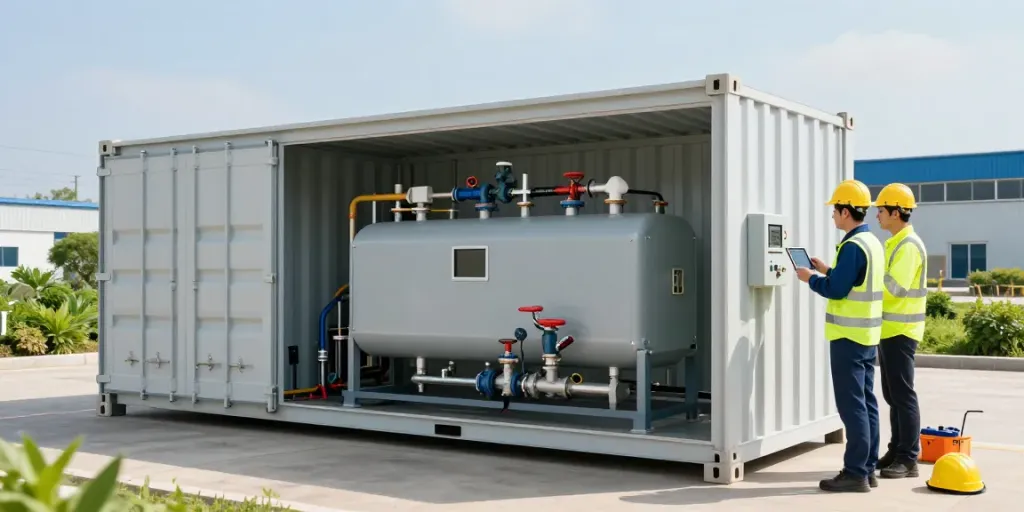
Containerization has revolutionized how wastewater treatment systems are deployed. The ability to pre-assemble treatment systems within standard shipping containers enables rapid installation and relocation, critical for temporary applications such as construction sites or emergency response scenarios. Furthermore, this modular approach allows for easy scalability, making it convenient to increase treatment capacity as needed.
These systems are also designed to be transported easily, requiring minimal infrastructure for setup. This is especially advantageous in remote areas where traditional treatment plants would be cost-prohibitive to construct and maintain.
Benefits of Modular Wastewater Treatment Systems
Modular wastewater treatment systems bring a host of advantages over traditional treatment plants. These benefits make them an attractive option for various sectors, including municipal, industrial, and commercial applications.
Cost-Effectiveness and Efficient Deployment
One of the most compelling benefits of containerized wastewater treatment systems is their cost-effectiveness. By providing pre-engineered solutions, manufacturers can reduce the costs associated with design, construction, and commissioning. Additionally, the rapid deployment capabilities mean that facilities can be operational in a fraction of the time required for conventional systems.
This efficiency extends to operational costs as well. Containerized systems often utilize energy-efficient technologies, which can lead to lower utility bills and reduced greenhouse gas emissions.
Compliance with Environmental Standards
Environmental regulations are becoming increasingly stringent, making compliance a top priority for businesses operating in the wastewater treatment space. Containerized systems are designed with compliance in mind, incorporating advanced filtration and treatment technologies that meet or exceed local and international standards.
Furthermore, many manufacturers offer customizable options that cater to specific regulatory requirements, ensuring that treatment systems can adapt to changing regulations over time.
Flexibility in Application
The inherent flexibility of containerized systems allows them to be employed in a variety of applications. From temporary installations at construction sites to permanent solutions for municipal wastewater treatment, these systems can be tailored to suit specific needs. This adaptability also extends to varying waste types, accommodating everything from domestic sewage to industrial runoff.
Moreover, containerized systems can be integrated with existing infrastructure, providing an efficient way to enhance or expand treatment capacity without the need for extensive renovations.
Challenges Faced by Wastewater Treatment System Manufacturers
Despite the numerous advantages that come with containerized wastewater treatment systems, manufacturers face several challenges that can impact their ability to deliver effective solutions.
Common Misconceptions in Selection
Many organizations misunderstand the capabilities of containerized systems, often assuming they are only suitable for temporary or smaller-scale applications. In truth, these systems can provide robust solutions for a wide range of treatment scenarios, including full-scale municipal treatment plants.
Educating potential clients about the capabilities and advantages of modular systems is a crucial step for manufacturers to overcome this misconception.
Addressing Technical Complexities
The technical nature of wastewater treatment can present challenges for manufacturers. As treatment methods become more sophisticated, the potential for technical issues increases. Manufacturers must invest in research and development to stay ahead of emerging technologies and ensure that their systems can handle increasingly complex wastewater types.
Furthermore, ongoing training for personnel is essential to maintain the effectiveness of these systems. Ensuring that operators are well-versed in the latest technologies and best practices can significantly improve system performance.
Market Competition and Innovations
The wastewater treatment industry is competitive, with numerous players vying for market share. Manufacturers must continually innovate to differentiate themselves from competitors, often requiring substantial investment in research and development. Staying abreast of industry trends and emerging technologies is vital for maintaining a competitive edge.
As the demand for sustainable solutions increases, companies that prioritize innovation and environmental responsibility are likely to succeed in the evolving market landscape.
Best Practices for Implementing Containerized Systems
To maximize the effectiveness of containerized wastewater treatment systems, organizations must adhere to best practices during implementation and operation.
Planning for Installation and Deployment
Proper planning is essential for successful installation and deployment. This includes evaluating site conditions, understanding local regulations, and determining the required treatment capacity. Engaging with experienced manufacturers can ensure that the selected system meets site-specific needs.
The deployment process should also account for the logistical aspects of transporting and setting up containerized systems in often challenging environments, whether urban or remote.
Maintenance and Operational Considerations
Regular maintenance is crucial for ensuring optimal performance and longevity of wastewater treatment systems. Manufacturers should provide clear guidelines and schedules for routine checks and maintenance tasks. This includes monitoring system performance metrics and replacing any worn components in a timely manner.
Additionally, operators should utilize data from system sensors to identify potential issues before they escalate, ensuring continuous and reliable operation.
Training Personnel for Effective Use
Investing in comprehensive training programs for personnel operating the systems is essential. This education should cover not only operational procedures but also troubleshooting and emergency response protocols. Empowering staff with the knowledge and skills they need can significantly enhance system performance and operational efficiency.
Future Trends in Wastewater Treatment Technologies
The landscape of wastewater treatment is constantly evolving, influenced by technological advancements and changing regulations. Several key trends are shaping the future of the industry.
Emerging Technologies and Their Impact
Innovative technologies, such as advanced membrane filtration, biological nutrient removal, and integrated resource recovery systems, are poised to enhance the efficacy of wastewater treatment. These technologies can improve effluent quality and enable the recovery of valuable resources, such as nutrients and energy, from wastewater streams.
As these technologies become more widespread, manufacturers need to adopt and integrate them into their offerings to remain competitive and meet client expectations.
Sustainability Practices Among Manufacturers
Sustainability is becoming increasingly important in the wastewater treatment sector. Manufacturers are incorporating practices that reduce environmental impact and promote resource conservation in their operations. This includes utilizing renewable energy sources, minimizing waste, and optimizing resource recovery during treatment processes.
Companies that prioritize sustainability are likely to appeal to environmentally conscious clients and strengthen their market position.
The Role of Smart Technology and Automation
The implementation of smart technology and automation in wastewater treatment systems is transforming the industry. Automating processes such as monitoring and data collection allows operators to optimize performance and reduce labor costs. Additionally, intelligent systems can proactively identify and resolve issues, leading to increased efficiency and reduced downtime.
Embracing these advancements will be crucial for manufacturers looking to modernize their offerings and meet the demands of progressive clients.
What Common Mistakes Do Businesses Make?
One of the common pitfalls businesses encounter in implementing wastewater treatment systems is underestimating the importance of thorough planning and evaluation. Failing to assess site conditions and regulatory requirements can lead to costly mistakes and inefficiencies down the line.
Another mistake is neglecting ongoing maintenance, which can result in system failures and unexpected repair costs. Businesses should prioritize regular inspections and seek manufacturer guidance to ensure long-term success.
How Can You Ensure Compliance with Regulations?
To ensure compliance with environmental regulations, businesses should stay informed about local, state, and federal guidelines governing wastewater treatment. Engaging with experienced manufacturers who understand these regulations can provide valuable insights and support in achieving compliance.
Additionally, investing in training and education for personnel involved in system operation can ensure that all team members are aware of relevant regulations and best practices.
What Should You Consider When Choosing a Manufacturer?
When selecting a wastewater treatment system manufacturer, it is essential to consider several factors, including the company’s reputation, experience, and the range of technologies offered. Evaluating customer reviews and case studies can provide insights into the manufacturer’s reliability and the effectiveness of their systems.
Additionally, consider the level of support and training the manufacturer offers, as this can significantly impact the successful implementation and operation of the treatment system.
What Are the Costs Involved in Containerized Systems?
The costs of containerized wastewater treatment systems can vary widely based on several factors, including system size, technology employed, and specific site requirements. Additionally, ongoing operational costs should be factored into any budget planning, as these can significantly impact overall expenditures.
Engaging with manufacturers to obtain detailed quotes and breakdowns of expected costs is crucial for accurate financial planning.
What Innovations Should We Expect by 2026?
As the wastewater treatment industry continues to evolve, we can expect to see further innovations in areas such as bioengineering, energy recovery, and smart technologies. New processes that enhance the efficiency and efficacy of treatment systems will likely emerge, along with solutions that promote sustainability and resource recovery.
Manufacturers who embrace these innovations and adapt to changing market demands will be well-positioned to thrive in the future landscape of wastewater management.